Buying land to build a house is one of the most rewarding paths to homeownership, and one of the most misunderstood. The process is fundamentally different from buying an existing home or having a production builder construct a house in a neighborhood. When you purchase land and build on it, you own the entire project from the very beginning. That means more control, more customization, and more responsibility for understanding what you are doing and why.
At Turner & Son Homes, we have spent decades helping Oklahoma families find land, evaluate whether it is right for building, and construct custom homes on it. This guide covers every step of the process, from deciding where you want to live to what happens after you close on your land and construction begins.
Key Takeaways
- Buying land and building a house is a multi-step process that requires careful planning before you ever break ground.
- Not all land is buildable. Zoning, utilities, drainage, soil, easements, and site access all determine whether a parcel is a smart purchase.
- Land-only financing is different from mortgage financing. Expect higher down payments and different loan structures.
- A construction loan covers the cost of building and typically converts to a permanent mortgage once the home is complete.
- Involving your builder early — before you buy land — is one of the most valuable things you can do to protect your investment.
- In Oklahoma, land costs and construction costs vary significantly by region, lot type, and available utilities.
Is Buying Land to Build a House the Right Choice?
Building on your own land is not the right path for everyone, but for many Oklahoma families it is the most direct route to the home they actually want. Before walking through the process step by step, it helps to understand both the advantages and the trade-offs completely.
Pros of Buying Land and Building
- Full customization. You design the home around your life, not the preferences of whoever built the house before you. Floor plan, finishes, layout, and features are all your choices.
- Location freedom. You can build in a specific school district, on a piece of land with the views or acreage you want, or in a rural area that existing home inventory does not serve.
- New construction quality. Everything in the home is new. No deferred maintenance, no outdated systems, no surprises from previous owners.
- Potential long-term value. A well-built custom home on land you own can appreciate significantly and become a generational asset.
- Land as an investment. Raw land can increase in value over time independent of what is built on it.
Cons of Buying Land and Building
- Longer timeline. Buying land, going through design and permitting, and completing construction takes longer than purchasing an existing home.
- More complexity. You are managing two purchases — land and construction — each with their own financing, professionals, and decision points.
- Upfront due diligence required. Not every piece of land is buildable or practical. Skipping the research phase is one of the most costly mistakes buyers make.
- Hidden site costs. Utilities, site preparation, permits, and land prep can add significantly to the total project cost and are easy to underestimate.
For families who value a specific location, a custom floor plan, and a home built exactly to their standards, the trade-offs are usually worth it. The key is going in with accurate expectations and a builder who can help you navigate the process.
How to Buy Land to Build a House: Step by Step
Here is the process from first decision to land ownership, broken down into the steps that actually matter.
1. Decide Where You Want to Live
Before searching for land, get clear on the non-negotiables for your location. Think about school districts, commute distance, proximity to work, healthcare, and shopping. Consider whether you want acreage, seclusion, or something closer to town. In Oklahoma, the difference between a rural county lot and a lot in a suburban area near Oklahoma City means very different infrastructure, utility costs, and building requirements.
Write down your priorities before you start driving around looking at land. It is easy to fall in love with a beautiful piece of property and rationalize its drawbacks after the fact. Knowing your priorities up front keeps your decision-making grounded.
2. Figure Out How You'll Pay for the Land
Land financing works differently from a home mortgage. Lenders consider undeveloped land a higher-risk asset because it generates no income and can be harder to resell. That typically means larger down payments, higher interest rates, and shorter loan terms on a standalone land purchase.
If you are ready to build soon after purchasing land, a construction-to-permanent loan, also called a one-time close loan, may be the most efficient option. This single loan covers both the land purchase and construction costs, then converts to a standard mortgage once the home is complete. You close once, lock in a rate early in the process, and avoid paying separate closing costs for the land and the construction. We cover financing in more detail in a dedicated section below.
3. Search for Land for Sale
Land listings appear on real estate websites, MLS databases, county property records, and through local real estate agents who specialize in land. In rural Oklahoma, the best land is sometimes not listed publicly at all. Driving areas you are interested in, noting parcel numbers, and looking up owners through the county assessor database can turn up opportunities that never make it to the market.
When searching, look beyond list price. A parcel that seems affordable may carry significant site preparation costs for clearing trees, installing utilities, grading, or addressing drainage. A more expensive lot that already has utilities at the road and a clear building pad may cost less in total once everything is factored in.
4. Visit and Evaluate the Property
Never make an offer on land you have not walked in person. A listing photo does not tell you about drainage patterns, soil quality, the distance from utilities at the road, access challenges, neighboring uses, or whether the buildable area of the lot is what you think it is.
When you visit the property, ask these questions:
- Is this land zoned for residential use? Are there any deed restrictions or HOA requirements?
- Where is water available? Is public water at the road, or will a well be needed? If a well is needed, can you actually find water?
- What is the sewer situation? Is public sewer available, or does this require a septic system?
- Is any portion of the land in a FEMA flood zone?
- What is the road access like? Is it a county road, private road, or easement across another owner's property?
- How much of the lot is realistically buildable, accounting for slopes, trees, setbacks, and drainage?
If you can, bring your builder on the site visit. A builder who has worked on Oklahoma land for years will notice things in 20 minutes that you would not catch in multiple visits, and they can give you a rough sense of site preparation costs before you make an offer. Turner & Son Homes offers a land evaluation program for exactly this reason.
5. Get the Land Surveyed
A property survey confirms exact legal boundaries, identifies easements and right-of-ways, and prevents disputes with neighboring property owners. For a building project, you want a pin survey, not just a title survey. A pin survey means a licensed surveyor physically marks the boundary corners, which allows you to see exactly where your property begins and ends.
On some sites, particularly rural acreage, you may also want a topographic survey that shows elevation contours. This is especially valuable if you are planning a walkout basement or if the land has meaningful slopes that will affect foundation design and drainage. Survey costs vary but plan for a few hundred to a couple thousand dollars depending on parcel size and complexity.
6. Make an Offer
Once you have done your due diligence and feel confident about a piece of land, it is time to make an offer. Work with a real estate agent who has experience with land transactions in Oklahoma. The contract for a land purchase can include contingencies for financing, a satisfactory survey, soil testing, and verification of utilities, which give you an exit if something unexpected turns up.
When it comes to negotiating on land, think carefully about your priorities. If this is the right piece of land for your family's forever home, the difference between full price and a few thousand dollars off is rarely worth losing the property. Is feeling like you got a deal worth more than knowing you got the right land? Sometimes the answer is yes. Sometimes it is no.
7. Close on the Property
Closing on land follows a similar process to closing on a home. A title company performs a title search to confirm there are no liens, unpaid taxes, or unresolved claims on the property. You will review and sign closing documents, pay any down payment and closing costs, and receive the deed transferring ownership. In Oklahoma, closing on land typically takes 30 to 45 days from an accepted offer.
Once you own the land, you can move into the design and permitting phase of your custom home project.
How Much Does It Cost to Buy Land and Build a House in Oklahoma?
Costs vary significantly depending on location, land condition, home size, and finish level. Here is a realistic breakdown of what goes into the total cost of buying land and building a house in Oklahoma.
Land cost. Rural land in Oklahoma has historically averaged $2,000 to $2,800 per acre for agricultural or recreational parcels, though residential lots near Oklahoma City or in desirable suburban areas run considerably higher. A buildable lot with utilities in place and road access near a metro area may range from $40,000 to $120,000 or more depending on size and location.
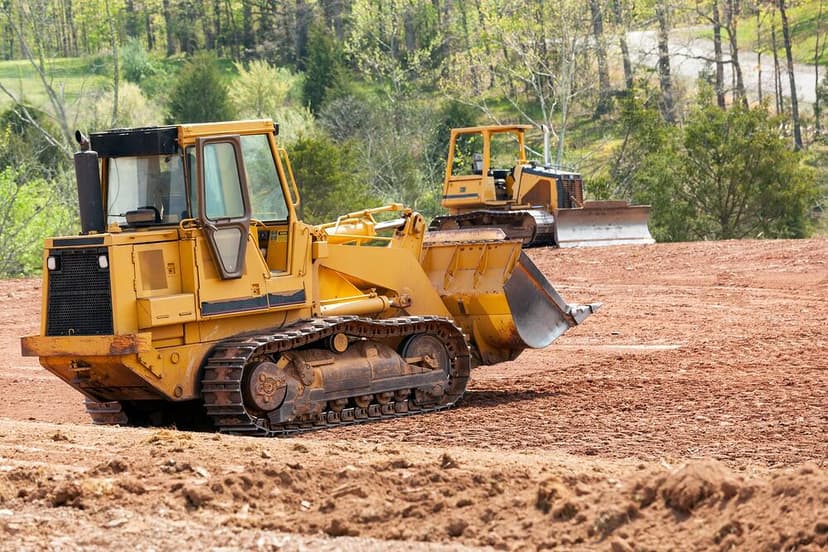
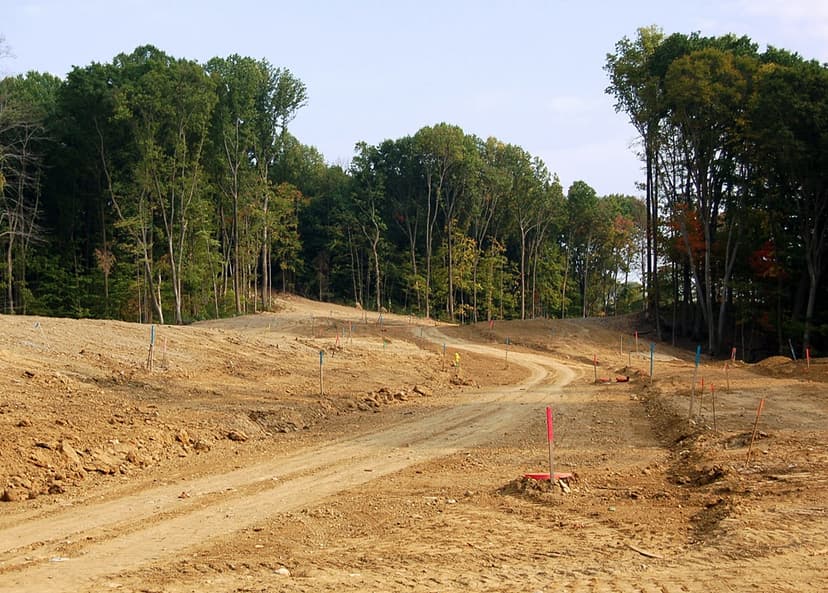
Site preparation. Getting the land ready to build on includes clearing trees, grading, excavation, access roads, and utility connections. In central Oklahoma, site prep costs typically range from $5,000 to $30,000 for a standard site. Challenging sites with dense trees, significant slopes, or long utility runs can push costs to $70,000 or more.
Utilities. If the land is not already served by water and sewer, connecting to public lines or installing a well and septic system adds cost. A well in Oklahoma typically runs $5,000 to $15,000. A conventional septic system runs $8,000 to $20,000, though complex or aerobic systems on challenging sites cost more.
Home construction. Custom home construction in Oklahoma generally runs $150 to $250 per square foot or more, depending on design complexity, finish selections, and current material and labor costs. A 2,000 sq ft custom home at $225 per square foot puts construction cost at around $450,000, before site prep and land.
Permits and fees. Building permits, plan review fees, and inspection fees vary by county and municipality. Budget a few thousand dollars for permits on a typical residential build.
Is It Cheaper to Build or Buy?
This question does not have a universal answer, and it depends heavily on your local market and what you are comparing. In Oklahoma, building a custom home on your own land is often competitive with buying an equivalent home on the resale market, particularly in areas where existing inventory is limited or where the available homes do not match what you want.
Where building tends to win: you get exactly what you want, everything is new, and land appreciation can provide long-term value. Where buying an existing home tends to win: it is faster and involves less complexity. Here's another way to think about it: if you build a custom home that fits your needs exactly, versus buying a cheaper existing home that fits 50% of your needs, then the cost of the existing house would have to be 50% of the custom build just to break even.
The hidden cost comparison that most people miss is the cost of compromise. Buying an existing home that does not meet your needs perfectly means either accepting trade-offs you will live with for years, or spending money on renovations after purchase. A custom home built to your specifications starts with no compromises.
How to Finance Buying Land and Building a Home
Financing a land purchase and construction project involves different loan products than a standard home purchase. Understanding the options before you start shopping for land makes the entire process less stressful and more efficient.
Construction Loans vs. Mortgages
A standard mortgage is a loan on a finished home. A construction loan is a short-term loan that funds the building process. These work differently in a few important ways:
- Construction loans are typically interest-only during the build period. You pay interest only on the funds that have been drawn down as construction progresses, not on the full loan amount from day one.
- Funds are released in draws. As each phase of construction is completed and inspected, the lender releases the next portion of funds to the builder. You do not receive a lump sum upfront.
- Construction loans convert to a permanent mortgage. Once the home is complete, the construction loan is either refinanced into a traditional mortgage (two-time close) or automatically converts to a permanent mortgage (one-time close).
- Lenders typically require working with an approved builder with a proven track record. The lender will review your builder's credentials and construction plans as part of the approval process.
A construction-to-permanent loan, or one-time close loan, is the most popular option for buyers who are purchasing land and building at the same time. It combines both into a single loan with one closing, which saves time and reduces closing costs compared to handling each transaction separately.
Land Loans and Down Payments
If you want to purchase land now but are not ready to build yet, a standalone land loan is the right tool. Land loans typically require a larger down payment than home mortgages, often 20% to 30%, because lenders view undeveloped land as higher risk collateral. Interest rates on land loans are also generally higher than standard mortgage rates.
In Oklahoma, land loans are available through commercial banks, credit unions, Farm Credit institutions like Oklahoma AgCredit, and rural lenders. Rural lenders with experience in agricultural and recreational land often have the most competitive terms for undeveloped rural parcels. For construction loans in Oklahoma, our guide to the best construction loan banks in Oklahoma City is a good starting point.
For construction loans, most lenders require a down payment of 15% to 20% of the appraised value of the finished home and land combination. If you already own your land free and clear, that equity often counts toward your down payment requirement, which can significantly reduce the cash you need to bring to the table.
Who Should You Talk to Before Buying Land?
Buying land to build a house is not a process you should navigate alone. Several professionals play important roles at different stages, and talking to the right people before you commit to a purchase can save you from very expensive mistakes.
A custom home builder. This is the most underutilized resource in land buying. An experienced builder can evaluate a piece of land before you purchase it, flag potential site issues, estimate site preparation costs, and confirm whether your home vision is feasible on that specific parcel. Turner & Son Homes offers a land evaluation program as part of our process for exactly this reason.
A land-savvy real estate agent. Not all real estate agents have experience with land transactions. Work with someone who understands zoning, rural utilities, easements, and the due diligence specific to land purchases in Oklahoma. Our guide on questions to ask a land seller can help you prepare for those conversations.
A lender who works with construction financing. Talk to a lender early — one recommended by your builder — before you find land, so you know your budget and what loan options are available to you. Not every lender offers construction loans or land loans, and the terms vary considerably.
A title company. A title company or real estate attorney performs the title search, handles the closing, and ensures there are no unresolved liens or ownership disputes on the property.
County officials. Before buying, confirm zoning, permit requirements, and any deed restrictions directly with the county or municipality where the land is located. This takes a phone call and can prevent major surprises. It is also worth reviewing common land covenants and restrictions before you commit to a parcel.
What Happens After You Buy Land in Oklahoma?
Owning the land is step one. Here is what the path from land ownership to move-in day typically looks like when you build with Turner & Son Homes.
Hire your builder. If you have not already, this is the time to select your builder and begin the design process. Ideally, you have been talking to your builder throughout the land search so there are no surprises about what the land will support. If you are still evaluating builders, our guide on how to pick a home builder covers what to look for.
Design your home. Work with your builder's design team to develop a floor plan and home design that fits your land, your lifestyle, and your budget. At Turner & Son Homes, we take time before construction begins to plan every detail with you so nothing is left to chance. You can also explore our house plan library for ideas and starting points.
Get permits. Your builder handles the permitting process, submitting construction plans to the appropriate county or municipal authority for review and approval. In Oklahoma, permit timelines vary by jurisdiction.
Site preparation. Before the foundation goes in, the site has to be prepared. This includes clearing trees and vegetation, grading the building pad, creating site access, and connecting or arranging utilities. Understanding how drainage and slopes affect your site is important at this stage.
Construction. From foundation through framing, rough systems, insulation, drywall, and all finish work, construction typically takes 6 to 12 months for a custom home in Oklahoma, depending on size and complexity. Our building process is designed to keep you informed at every stage.
Final inspection and closing. Once construction is complete and final inspections are passed, the construction loan converts to a permanent mortgage and you receive the keys to your home.
Frequently Asked Questions
Is it cheaper to buy your own land and build a house?
Whether buying land and building is cheaper than purchasing an existing home depends on your local market and what you are comparing. In many parts of Oklahoma, building a custom home on your own land is cost-competitive with buying an equivalent home on the resale market, particularly in areas with limited existing inventory or where the available homes do not match what you want. The total cost to buy land and build includes land acquisition, site preparation, utilities, permits, and construction, all of which need to be factored in. The advantage is that you get exactly what you want rather than paying for a home that requires upgrades or compromises.
How much does it cost to build a house on your own land in Oklahoma?
Custom home construction in Oklahoma generally runs $150 to $250 per square foot or more, depending on design complexity, finish level, and current material and labor costs. A 2,000 sq ft custom home at $225 per square foot puts construction cost at around $450,000, before site prep and land. Site preparation in central Oklahoma typically adds $5,000 to $30,000 for a standard lot, though challenging sites with significant slope, dense trees, or long utility runs can cost considerably more. The full project budget should include land cost, site prep, permits, utilities, construction, and a contingency reserve of 5% to 10%.
Is it better to buy land first and then build?
There is no universal answer, but for most people who are ready to build within a reasonable timeframe, purchasing land and beginning construction with a single construction-to-permanent loan is more efficient than buying land separately and building later. The one-time close approach saves closing costs and allows you to lock in a rate early in the process. If you find the right piece of land but are not ready to build for a year or two, a standalone land loan makes sense to secure the property before it is gone. The risk of waiting on the right piece of land is real: good, buildable land in desirable areas moves, and it is often not relisted.
How do you buy land to build a house in Oklahoma?
The process in Oklahoma follows the same general steps as anywhere: decide on your location priorities, talk to a lender to understand your budget, search for land through MLS listings and county records, visit and evaluate properties in person, commission a survey, make an offer with appropriate contingencies, and close with a title company. The most important Oklahoma-specific considerations are verifying zoning and utility availability (public water and sewer vs. well and septic), checking FEMA flood maps, and understanding county-specific permit requirements. Involving a builder who specializes in Oklahoma land during the property search is one of the highest-value steps you can take.
How do you finance buying land and building a house?
There are two main paths. If you are purchasing land and planning to build soon, a construction-to-permanent loan, sometimes called a one-time close loan, is typically the most efficient option. This single loan covers the land purchase and all construction costs, then converts to a permanent mortgage once the home is complete. You only pay closing costs once and lock in your rate at the beginning of the process. If you want to purchase land now but are not ready to build, a standalone land loan lets you secure the property, and you obtain a construction loan separately when you are ready to build. Land loans typically require a larger down payment, often 20% to 30%, and carry higher interest rates than standard mortgages because lenders view undeveloped land as higher-risk collateral.
Ready to Start the Process?
Buying land and building a custom home in Oklahoma is one of the most rewarding decisions a family can make. It takes planning, patience, and the right team around you. The families who do it well are the ones who start with honest information and work with professionals who have done it before.
Turner & Son Homes has been building custom homes on Oklahoma land since 1964. We specialize in exactly this process: helping families find the right land, evaluate it honestly, design a home that fits their life and their budget, and build it right the first time.
If you are thinking about buying land to build a house, reach out to our team. We are glad to answer your questions, walk a piece of land with you, and help you figure out whether building on your own land is the right move for your family.
Ready to Build Your Custom Home?
Turner & Son Homes builds on your land with a fixed-price guarantee. Let's talk about your dream home.