Search "barndominium under 100k" and you'll find plenty of results. The buildings in the photos are real. The prices are real. What isn't real is the assumption most people make next, which is that the number on the page is what it costs to end up living in one.
A kit is a pile of wood and steel delivered to your property. A turnkey build is a finished, inspected house. Both are honest products at honest prices. They are just not the same product, and the gap between them is where most Oklahoma barndominium budgets go wrong. For the full pricing picture, start with our guide to what it costs to build a barndominium in Oklahoma.
We've been building custom homes here since 1964. This is the arithmetic we walk families through when they arrive holding a kit quote.
What a barndominium kit includes
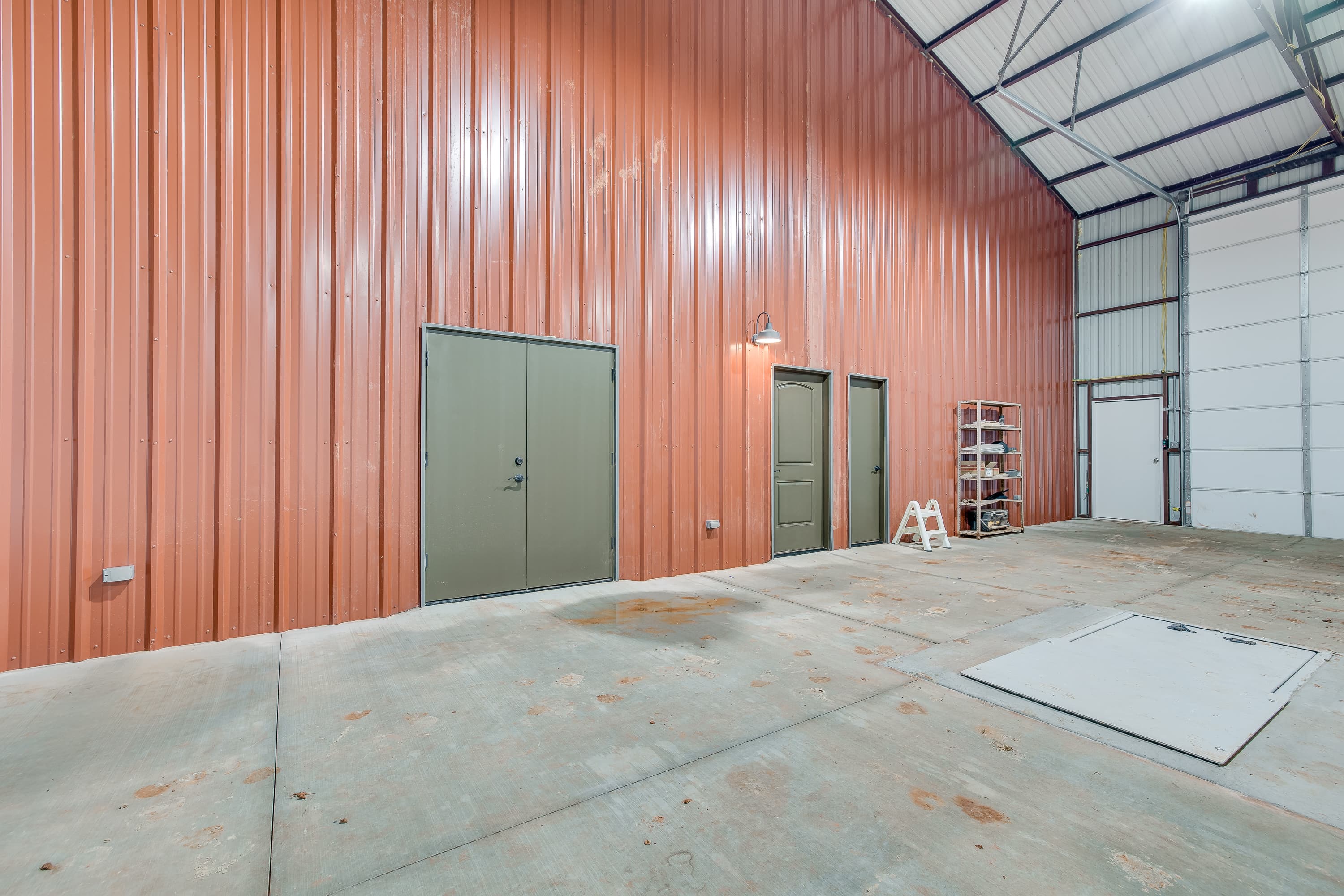
A typical kit is a package of wood and steel: primary framing, secondary framing, wall and roof panels, fasteners, trim, and engineered drawings. Better kits include the anchor bolts, the hardware, and sometimes the labor to erect the frame.
Kit shells generally run $40 to $70 per square foot in Oklahoma. That's a genuine number for a genuine thing. Here's what it does not include:
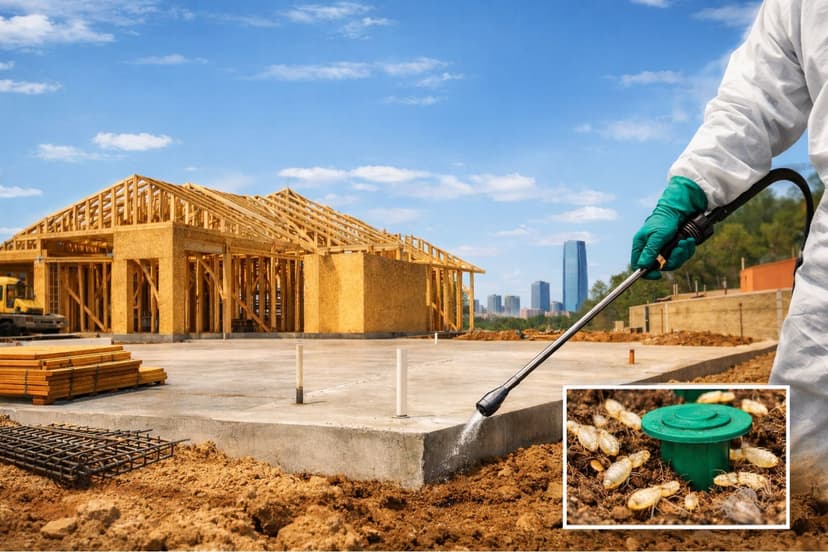
- Dirt work, grading, and the concrete slab
- Plumbing, electrical, and HVAC, each requiring a licensed trade
- Insulation, which works differently in a metal building than in a stick-built house
- Interior framing, drywall, and paint
- Windows and exterior doors, on many kits
- Kitchen and bathroom cabinets, counters, and fixtures
- Flooring, trim, and interior doors
- Septic or sewer connection, water, and the run to electric service
- Permits, inspections, and the engineering some counties require
- The driveway
That list is most of a house. On a finished barndominium, the shell is usually the smaller share of the total.
What $100,000 buys
Take the search term at face value and run it out. At the middle of the kit range, roughly $55 per square foot, $100,000 buys a shell of about 1,800 square feet. Delivered. On the ground. Possibly erected, if the kit included that labor.
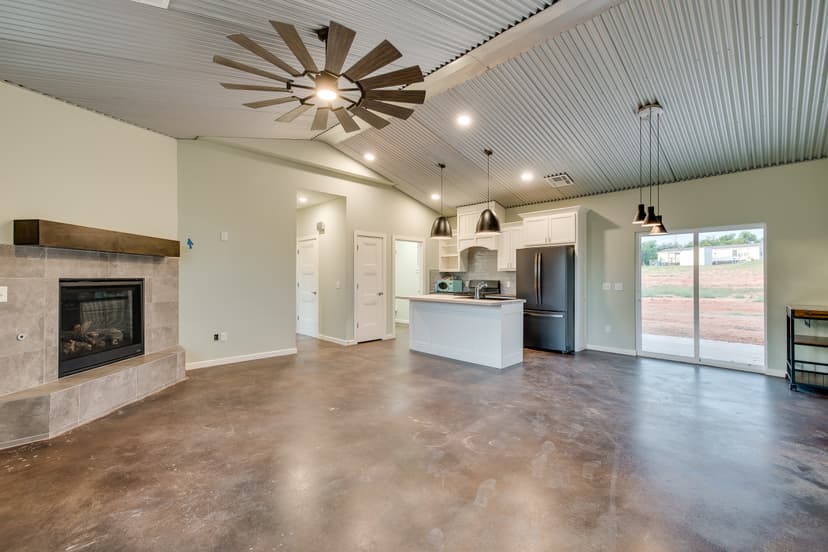
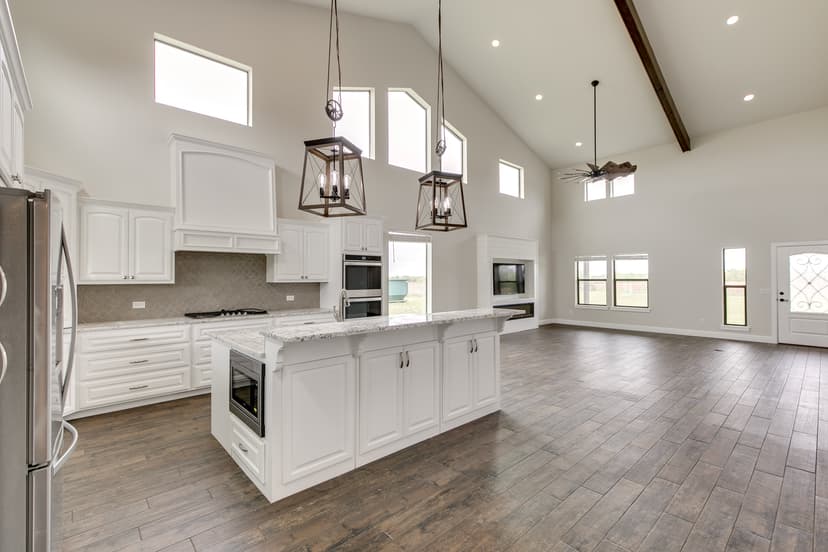
To live in those 1,800 square feet, you still need the slab, the trades, the insulation, and the entire interior. In Oklahoma, finishing a shell to a normal residential standard generally costs far more than the shell did, and the finished total lands in the $160 to $225 per square foot range, or roughly $290,000 to $400,000 for that same 1,800 square feet.
So the honest version of "barndominium under 100k" is: yes, the shell. Not the home. Anyone selling you the second thing at the first price is describing something that doesn't exist.
Barndominium kit vs. turnkey builds comparison
| Kit | Turnkey build | |
| Upfront number | $40–$70 / sq ft | $160–$225 / sq ft |
| What arrives | Wood and steel package | Finished home |
| Slab and site work | You arrange | Included |
| Licensed trades | You hire and schedule | Managed for you |
| Permits and inspections | Yours | The builder's |
| Who runs the schedule | You | The builder |
| Price certainty | Shell only; rest is open | Fixed at contract |
| Warranty | The shell materials | The whole home |
| Financing | Difficult | Standard construction loan |
The last two rows are the ones that surprise people late. A steel, or post frame, manufacturer's warranty covers wood and steel. It does not cover plumbing that somebody else ran through it.
Where the kit route genuinely wins
We're not going to pretend kits are a trap. They're the right purchase more often than a builder's website usually admits.
A kit is the better buy when nobody is going to live in the building. Shops, barns, equipment storage, arenas, and hangars are exactly what these systems were designed for, and hiring a custom home builder for one would be a waste of your money.
A kit can also work for living space if you have real construction experience, time you can afford to spend, cash that isn't waiting on a bank, and genuine appetite for coordinating a dozen subcontractors. Some families do this very well and save real money. The ones who struggle are almost always the ones who didn't realize they'd just hired themselves as the general contractor.
If you're weighing running your own build, our breakdown of what a managed owner-build costs is worth reading first.
The four costs people forget when finishing a barndominium kit
1. Insulation and condensation control
Steel conducts heat and it sweats. In an Oklahoma summer, humid air meeting a cool metal panel produces condensation inside the wall and roof, and an assembly detailed like a shop will put that moisture into your insulation and then your drywall. Doing this properly costs more than a standard batt package and is not optional in a home.
2. The slab
A residential slab under a home with plumbing in it is a different pour from a shop floor. Plumbing rough-in has to be right before concrete goes down, because fixing it afterward means breaking the slab.
3. Utilities on rural land
Septic, well or rural water, and the run to electric service. On rural Oklahoma acreage these can swing tens of thousands of dollars between two properties that look identical from the road. Our guide to the cost of bringing electricity to your land covers one of the bigger surprises.
4. Your own time
Not a line item, but the one people underestimate most. Coordinating trades is a part-time job for the better part of a year, and the cost of getting the sequence wrong is measured in weeks of nobody working. Our walkthrough of how a barndominium gets built shows how many stages must happen in order.
How the two routes affect financing
This is the practical reason many kit plans stall. Lenders financing a home want licensed trades, pulled permits, and inspectable work, and they want a builder contract they can underwrite against. A kit purchase plus an owner-managed finish is harder to package, and some banks won't do it at all.
A builder-constructed barndominium, by contrast, is treated much like any custom home on a standard construction loan. We go through lenders, appraisals, and the paperwork in financing a barndominium in Oklahoma.
How to compare a kit quote against a builder quote
Put them side by side and make both describe the same finished object before you compare totals. Specifically:
- Add the slab, trades, insulation, and full interior to the kit column
- Add permits, inspections, and engineering
- Add utilities and the driveway
- Decide what your time coordinating it is worth
- Check what each warranty covers
Once both columns describe a home, the comparison becomes real. Our guide to what a turnkey barndominium price includes lists the line items a complete quote should show, which makes a thin quote easy to spot.
Questions families ask us about kits
Can I buy a kit and hire you to finish it?
Sometimes, but fewer builders will take that job than you'd expect, because they inherit responsibility for a structure they didn't specify or engineer. Ask before you buy steel, not after.
Are kits lower quality?
No. Kit material is generally good material. The quality question is about what happens after the shell goes up, and that depends entirely on who does the finish work.
Is a barndominium cheaper than a traditional house?
As a shell, yes, considerably. As a finished home, usually more, because the metal panels are more expensive than the materials they replace. The metal exterior doesn't discount the kitchen.
What if I want to finish it in phases?
That can work, and we've built for families doing exactly that. Plan the phasing before the slab is poured, because the sequence of utilities and rough-ins is much harder to change later. But be ready for all the unforeseen costs associated with uncovered and unfinished work deteriorating with time and weather.
Talk it through before you buy a barndominium kit
If you're holding a kit quote and trying to work out what finishing it really costs, bring it to us. We'll walk through what's in it and what isn't, and tell you honestly whether the kit route makes sense for your project. Sometimes it does. No pressure and no pitch. Get in touch here.
Ready to Build Your Custom Home?
Turner & Son Homes builds on your land with a fixed-price guarantee. Let's talk about your dream home.