Two ten-acre parcels on the same county road, listed within a month of each other at nearly the same price. On one, a barndominium pencils out exactly as budgeted. On the other, the same building costs $70,000 more before a single piece of steel arrives.
The difference is never visible from the road. It's the septic system the soil won't take, the water line that's half a mile away, the electric service that needs three new poles, and the eleven feet of fall across the building pad. Land is where barndominium budgets are won and lost, and almost none of it shows up in the listing photos.
We've been building on Oklahoma land since 1964. Here's what to check before you buy, or before you assume the land you already own is ready. If you're still settling on what you want to build, our guide to barndominiums, shouses, and pole barn homes covers the differences first.
Start with whether you're allowed to build it
Oklahoma has no single building authority. Rules are set county by county and city by city, and they differ more than people expect.
On unincorporated county land, restrictions are usually light and a barndominium is rarely a problem. Inside city limits or within a municipality's extraterritorial jurisdiction, it can be a different conversation. Some towns restrict metal exteriors in residential districts, set minimum square footage for a dwelling, or require a particular roof pitch.
Then there are private restrictions, which catch more people than zoning does. Deed restrictions and covenants run with the land and can prohibit metal buildings, set minimum home sizes, or require architectural approval, entirely independent of what the county allows. They're recorded with the deed, and your title company can pull them.
Three things to confirm before you're committed:
- The zoning classification and whether a dwelling is permitted by right
- Any deed restrictions or covenants recorded against the parcel
- Whether the county requires engineered plans, and what its inspection process is
Our guide to building codes and inspectors covers how this works in practice.
Septic: the item that most often surprises people
If there's no sewer, you need an onsite septic system, and in Oklahoma that means a permit from the Department of Environmental Quality and a soil evaluation, formerly a percolation test, to determine what kind of system your ground will accept.
This is where the money hides. Soil that drains well takes a conventional lateral field, which is the cheapest option. Tight clay, shallow bedrock, or a high water table means an alternative system, and the difference between the cheapest and the most expensive option on the same acreage can run well into five figures.
Get the soil test done before you buy if you possibly can. It's a small cost against the size of the risk. We compare the main system types in aerobic vs. anaerobic septic systems.
Two more things: the septic field needs space and must be located a required distance from the well, the house, and property lines, which affects where the building can go. And a shop with a floor drain or a bathroom can change the system sizing.
Water: rural line or well
Either you connect to a rural water district or you drill.
Rural water means a tap fee plus the cost of running line from the main to the house. If the main is at the road and the house sits well back, that run is on you, and it's priced by the foot. Ask the district two questions specifically: what the tap fee is, and whether they have capacity, because some districts have moratoriums on new taps.
A well is a bigger upfront cost and depends entirely on local geology. Depth and yield vary substantially across Oklahoma, and neighbors are your best information. Ask what they hit, at what depth, and whether the water needed treatment.
Electric service
The question isn't whether power is available. It's how far it must travel and who pays for that.
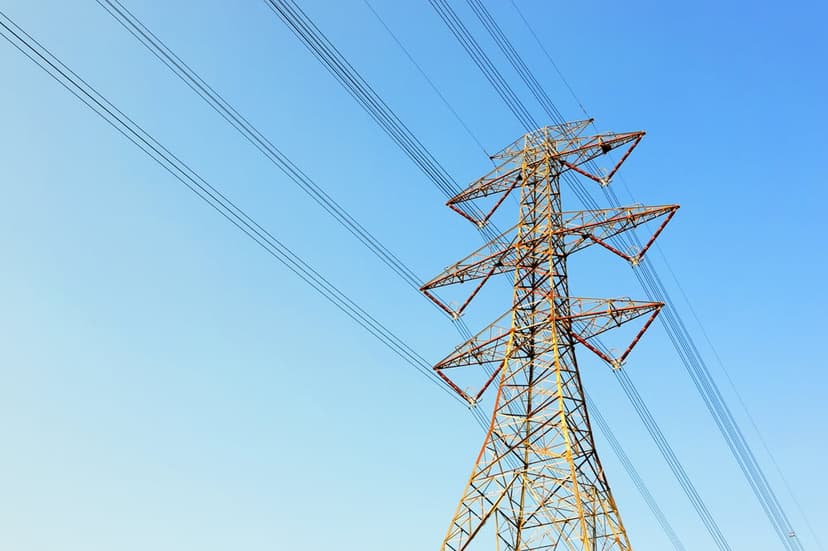
Utilities typically provide a certain footage at no charge and bill for everything beyond. If your building pad sits a long way from the nearest line, that run can become one of the larger single line items in the project, and it can require new poles, easements across neighboring property, or both.
Call the electric co-op with the parcel number and ask for an estimate before you commit. We've written about this specifically in the cost to bring electricity to your land.
Also worth asking: whether three-phase power is available, if your shop will run equipment that wants it.
The pad, the dirt, and the drainage
A barndominium needs a flat, well-compacted, properly drained pad. How much that costs depends on what your ground is doing already.
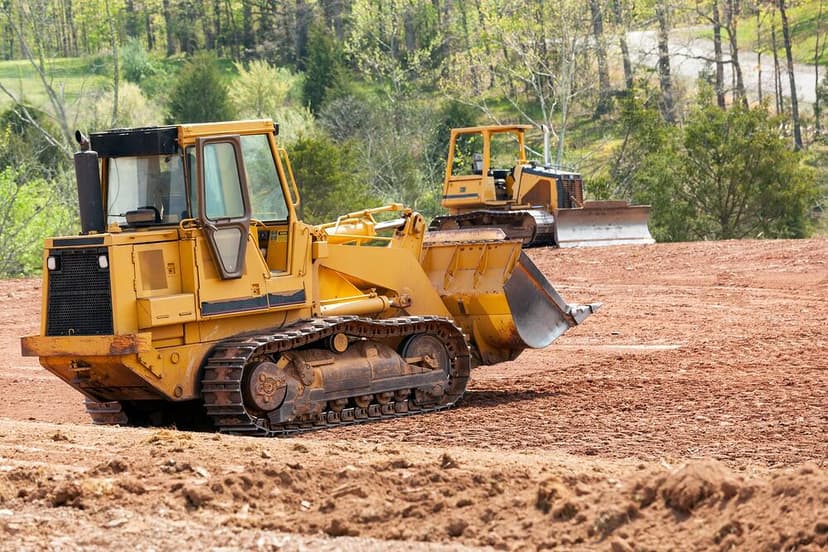
Slope is the main driver. A gentle grade is easy. Significant fall across the building footprint means cut and fill, and imported fill is expensive to buy and haul. Rock near the surface means excavation costs climb quickly and unpredictably.
Drainage matters as much as level. Water must move away from the slab, and a pad sited in a natural low spot will fight you for the life of the building. Check where water goes after a heavy rain, ideally by visiting after one.
Also check the flood map. A parcel partly in a floodplain isn't unbuildable, but it constrains where the building can sit and can require elevation and flood insurance. Our guide to buying land in a flood plain goes through it.
Access
Easy to overlook and not cheap. You need a driveway that concrete trucks and a crane can use, which means a proper base, adequate width, and turning room. If a culvert is required where the drive meets the county road, that's a permit and a cost.
Confirm legal access as well as physical access. Landlocked parcels and parcels reached by a handshake easement across a neighbor's property are more common than you'd think, and a lender will want it documented.
How much land do you need?
Less than most people assume for the building itself. A 40x60 with a shop, driveway, and septic field fits comfortably on an acre.
What drives acreage is everything else: the septic field and its setbacks, well separation distances, room for the shop and equipment, animals if you're keeping them, and how much distance you want from neighbors. Most of the barndominiums we build sit on two to ten acres, and the deciding factor is almost never the house.
A checklist before you buy
- Zoning classification, and whether a dwelling is permitted by right
- Deed restrictions and covenants, pulled by the title company
- Perc test or soil evaluation for septic
- Rural water tap fee and capacity, or well depth in the area
- Electric service distance and the utility's estimate
- Flood map status
- Topography, drainage, and any visible rock
- Legal and physical access, including culvert requirements
- Mineral rights and any existing easements
- Whether a survey exists and when it was done
Our guide to questions to ask a land seller covers the conversation itself, and rural versus raw land explains why some parcels cost so much more to develop than others.
What this adds to your budget
Site costs are a real and variable part of a barndominium project, and they're the reason no honest builder quotes a firm price before walking your land. On easy ground with utilities close, they're modest. On difficult ground with long utility runs, they can rival the cost of the building shell.
This is what people mean when they say the same house costs different amounts on different lots. We break the numbers down in what it costs to prepare land for building and budgeting for land-related items.
Questions families ask us about land
Can I build a barndominium on any rural land in Oklahoma?
Usually, on unincorporated county land. Check zoning, deed restrictions, and the municipality's extraterritorial jurisdiction if you're near a town.
How many acres do I need?
One is generally enough for the building, septic, and driveway. Most families choose more for space, animals, or distance from neighbors.
Do I need a perc test before buying?
Strongly recommended. It's the cheapest way to find out whether your septic will cost the normal amount or several times that.
What if the land already has a well and septic?
Have both inspected. An older septic system may not be sized or permitted for the home you're planning, and an existing well may not have the yield you need.
Can you tell me if my land will work?
Yes, and it's free. That's what our land evaluation program is for.
Have us look at the land first
Before you buy, or before you assume what you own is ready, let us walk it. We'll tell you what the site work is likely to involve and whether a barndominium suits the ground. If it doesn't, we'll say so. No pressure and no pitch. Get in touch here, or read our guide to building on your land in Oklahoma.
Ready to Build Your Custom Home?
Turner & Son Homes builds on your land with a fixed-price guarantee. Let's talk about your dream home.